The Fireplace in the Listing Photos
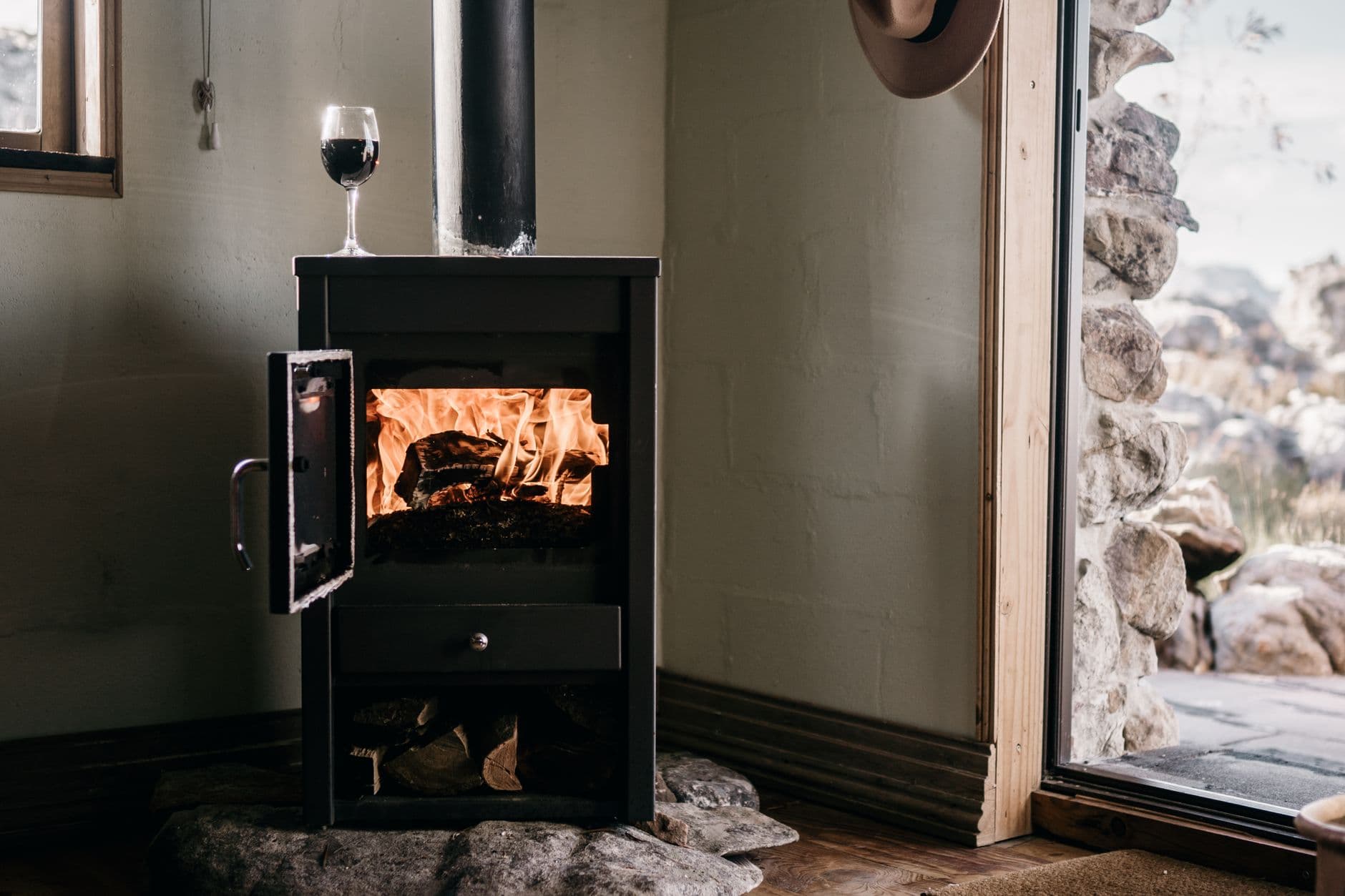
Listing photos in Woodland Hills love a fireplace. A stone surround, a mantel styled with candles, a fire glowing in the box. What they never show is the inside of the flue, the condition of the crown, or whether the unit behind that stone is masonry or a factory-built metal box nearing the end of its life. If you are buying, the time to find out is before the contingency period ends, not the first cold night after you move in.
This guide covers what to check, what a fireplace and chimney inspection should tell you, and how the findings affect what you do next.
What You Can Check at a Showing
You can learn a fair amount in five minutes at a showing, without tools:
- - Open the damper and look up with a phone flashlight. Black, flaky material or a glossy black coating means the flue has not been swept in a while.
- Look at the firebox walls. In a masonry fireplace, check for missing mortar between firebricks. In a factory-built unit, the walls are panels; look for cracks running across them.
- Look above the fireplace opening on the face. Dark staining there often means smoke has been spilling into the room.
- Look at the ceiling and walls around the chimney, inside and in any closet behind it, for water stains.
- From the street or yard, look at the top of the chimney. Is there a cap with mesh? Is the brick or stucco cracked near the roofline?
None of this replaces an inspection, but it tells you what questions to ask and whether the fireplace has been looked after.
Masonry or Factory-Built
The most important fact about the fireplace is what kind it is, and listings rarely say. A masonry fireplace is built on site from brick and firebrick, with a liner above. A factory-built fireplace is a metal unit with refractory panels, listed and tested as a system, with a metal chimney pipe. Many homes in the West Valley built from the 1970s on, and many remodeled older homes, have factory-built units behind a stone face that looks like masonry.
The difference matters for two reasons. A factory-built unit can only be repaired with parts listed for that model, and older models may have no parts left. And what can be done with it later, such as adding an insert or changing the surround, is limited by the manufacturer's instructions. Our reports name the type on page one, and the make and model when we can find the label.
What a Pre-Purchase Inspection Should Cover
For a home purchase, NFPA 211 points to a Level 2 inspection. That means:
- - The firebox, damper, smoke chamber, hearth extension and clearance to the mantel and trim.
- A recorded camera run up the full flue.
- The attic and any crawlspace around the chimney.
- The roof areas beside the chimney, the flashing, the crown and the cap.
Ours costs $380. You get a PDF report the same day, with a one-paragraph summary on page one, a photo or video still for every finding, a height for anything found in the flue, and a rating on each item: safe to use, watch it, or fix before the next fire. The full video file comes with it.
What Commonly Turns Up
In Woodland Hills and the neighborhoods around it, a few findings appear again and again on pre-purchase reports:
- - Mortar joints open between clay tile flue sections, often since the 1994 Northridge earthquake.
- Crowns cracked from years of heat and winter rain.
- Caps with rusted-through mesh, or no cap at all.
- A mantel added during a remodel sitting closer to the opening than the fireplace allows.
- A factory-built firebox with cracked panels.
- Gas logs installed in a wood fireplace without the damper clamped open.
Most of these are fixable, and some are minor. The report's job is to tell you which is which.
What Decides Your Next Step
The rating on each finding and whether it can be priced from the photos decide what you do. Items marked fix before the next fire need to be handled, by the seller or by you after closing, before the fireplace is used. Items marked watch it are part of owning the house. Our next-step page gives a written price for each repair the evidence allows, numbered to the finding, so you can take the list to the seller or to another contractor for comparison.
If you are inside a contingency window, send us the address, the listing photos and your deadline. We will confirm the inspection price and the first open slot in writing.
Planning Changes After You Buy
Many buyers plan to change the fireplace soon after moving in. If that is you, say so when booking, because it affects what we look at. Adding a gas insert means checking whether the flue can take a liner and whether a factory-built unit allows an insert at all. With us, a gas insert installed in the fireplace you have costs $2,700 to $5,400. Converting to gas logs means checking the firebox size and the damper. A remodel of the surround means confirming the clearances for the fireplace type before choosing materials. One pre-purchase inspection can answer those questions along with the condition ones.
After Closing
Keep the report. It is the baseline for every later inspection, and the first thing a future buyer's inspector will ask for. If repairs are done, ask for completion photos from the same angles as the original findings and keep them with it. Our repair work comes with those photos as standard.
Booking a Pre-Purchase Inspection
We take pre-purchase inspections across Woodland Hills, Tarzana, Canoga Park, West Hills, Encino, Calabasas and the rest of our area. Call us with the phone button on this page, tell us the address and your deadline, and we will get the visit on the calendar.
Read About It, Then See Your Own Flue
Bishop runs the check described above on your chimney and emails the numbered photos with a label on each. Visits leave Arleta for Los Angeles, Burbank, Sherman Oaks, Studio City, Glendale and Encino.